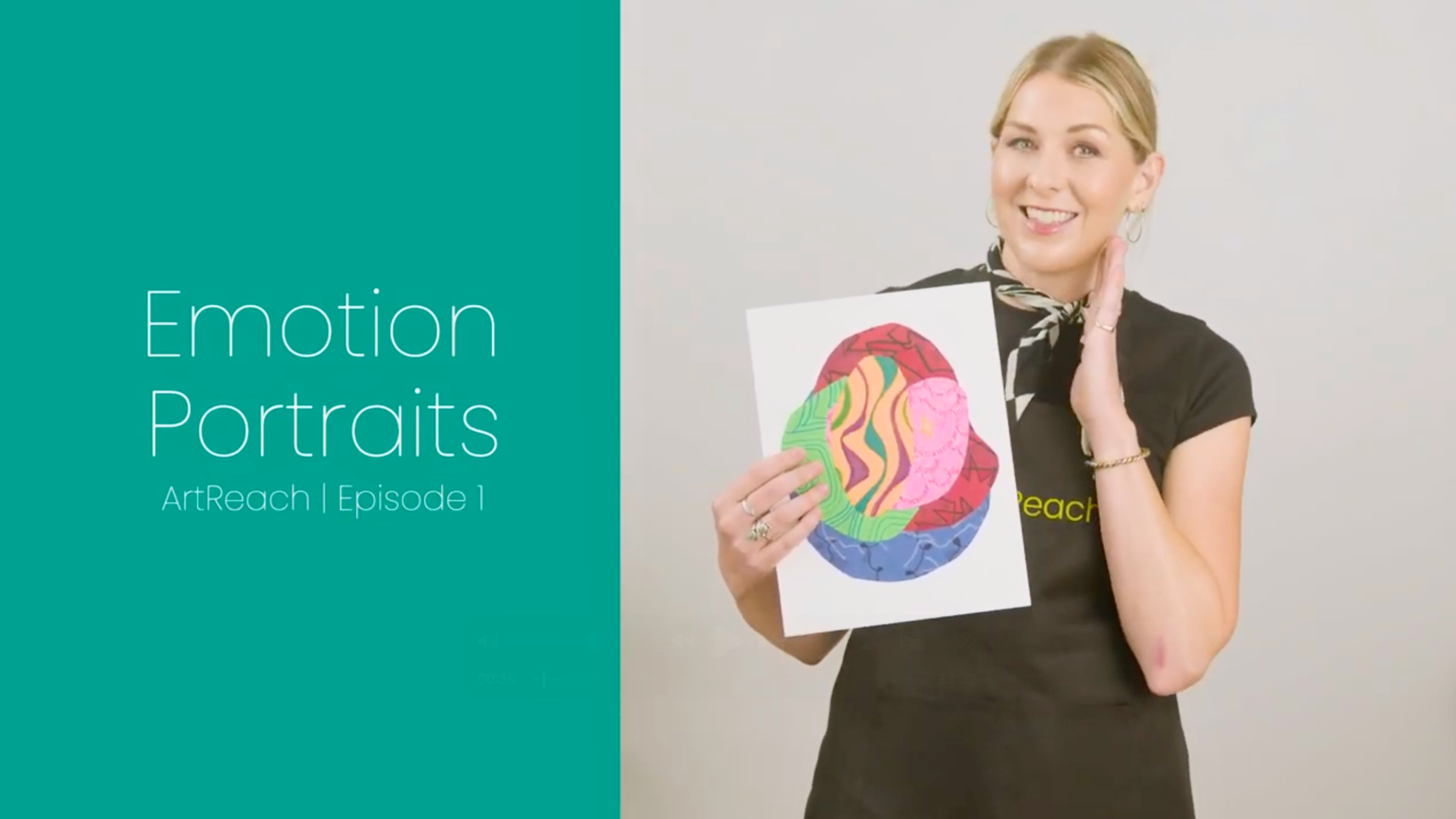
Have you ever felt many emotions all at once? Our feelings are a big part of who we are, and art gives us a powerful way to show them. Today, we will explore how colors, patterns, and shapes can help us create a special artwork called an “emotion portrait.” This portrait won’t show your face, but it will show your inner self and the many feelings you experience. Get ready to tap into your creativity and understand your emotions in a whole new way.
Watch this lesson on YouTube >>
Why Understanding Emotions Matters
Knowing your emotions is like having a superpower. When you know what you are feeling – whether it’s happy, sad, or angry – it helps you in many ways. You can communicate your needs and thoughts better to others. It also helps you understand how other people might feel, which allows you to show empathy and support them. Recognizing and managing your emotions helps you build stronger relationships, solve problems peacefully, and make better decisions. This project helps with your emotional growth and connects you more deeply with the world around you.
Finding Inspiration: Artists Who Express Feelings
Artists often use color, pattern, and shape to show feelings in their work. Let’s look at some inspiring artists who use different techniques to express emotions. Seeing their art can give us great ideas for our own emotion portraits.
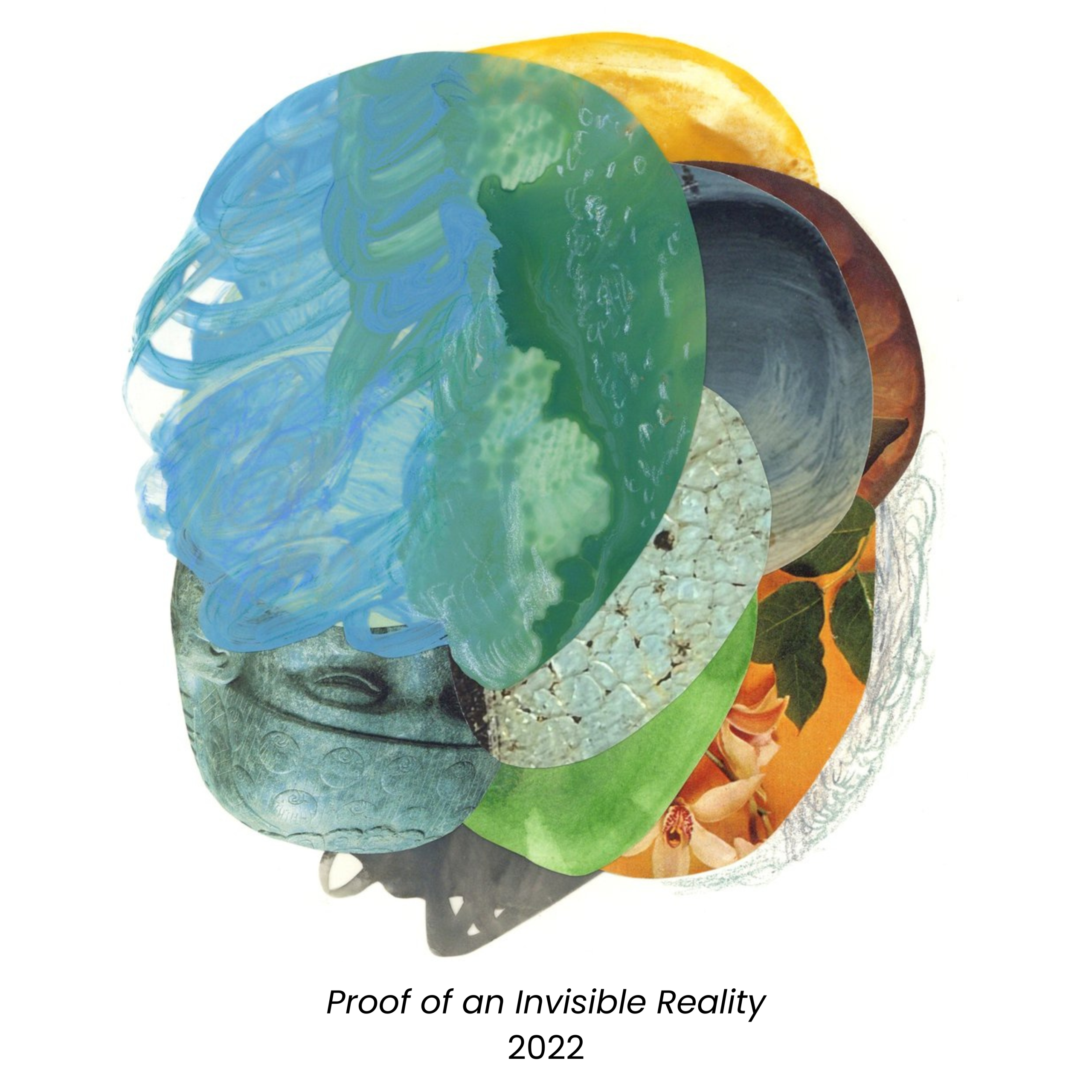
Xochi Solis: Layers and Organic Shapes
Artist Xochi Solis creates art with many layers. She uses different materials, colors, and patterns. Each piece often brings out strong feelings. Her work “Broken Sky” makes you wonder what emotions she felt. Solis cuts her materials into organic shapes, like soft bubbles or blobs. These shapes add to the emotional feel of her art. You can often see each layer in her collages, which creates depth and interest.
Joseph Goody: Colors and Shapes in Collage
Joseph Goody makes paintings where different colors mix and interact. He layers colors on top of each other and cuts them into unique shapes. His “Collage Series Number 13” makes you think about how colors and shapes can tell a story about feelings. The way he puts colors and shapes together helps express certain moods.
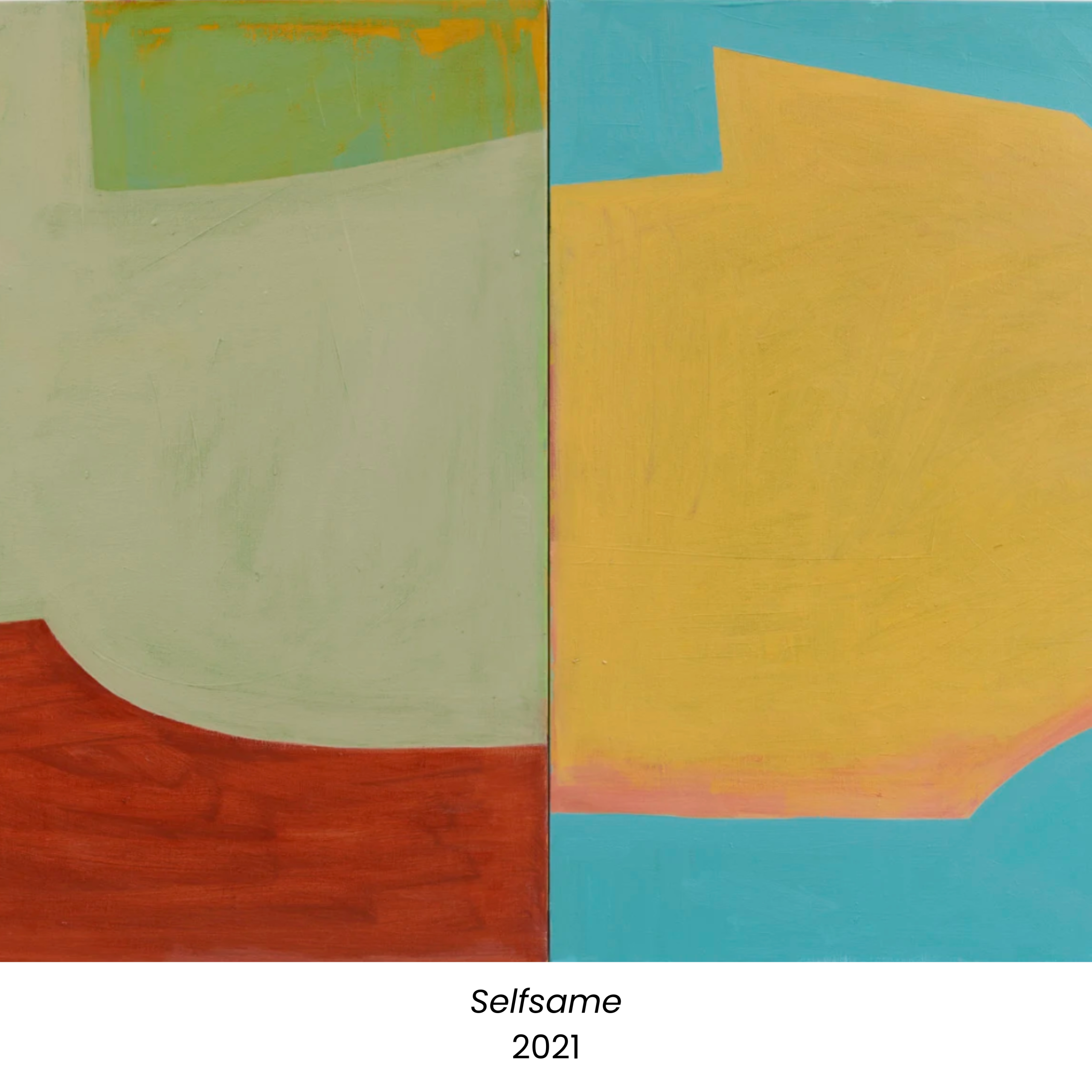
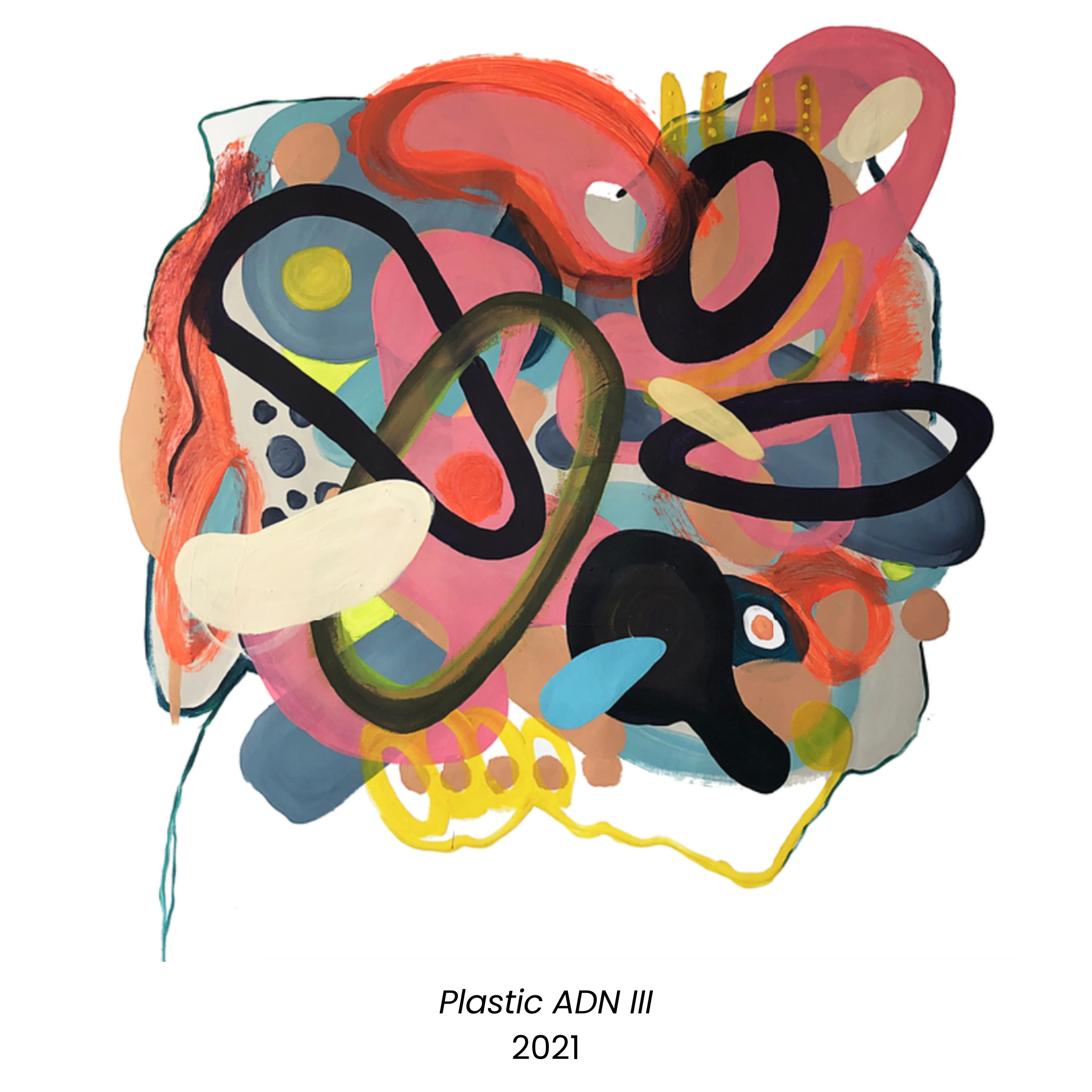
Alec Franco: Repeating Marks and Patterns
A pattern is a mark or shape that repeats itself over and over. Alec Franco’s artwork, like “Suito Number Two,” shows many patterns. He repeats circles, blobs, and lines across the paper. These repeating marks create a sense of rhythm and can also make you feel certain emotions. Think about how a pattern of sharp, jagged lines might feel different from a pattern of soft, flowing curves.
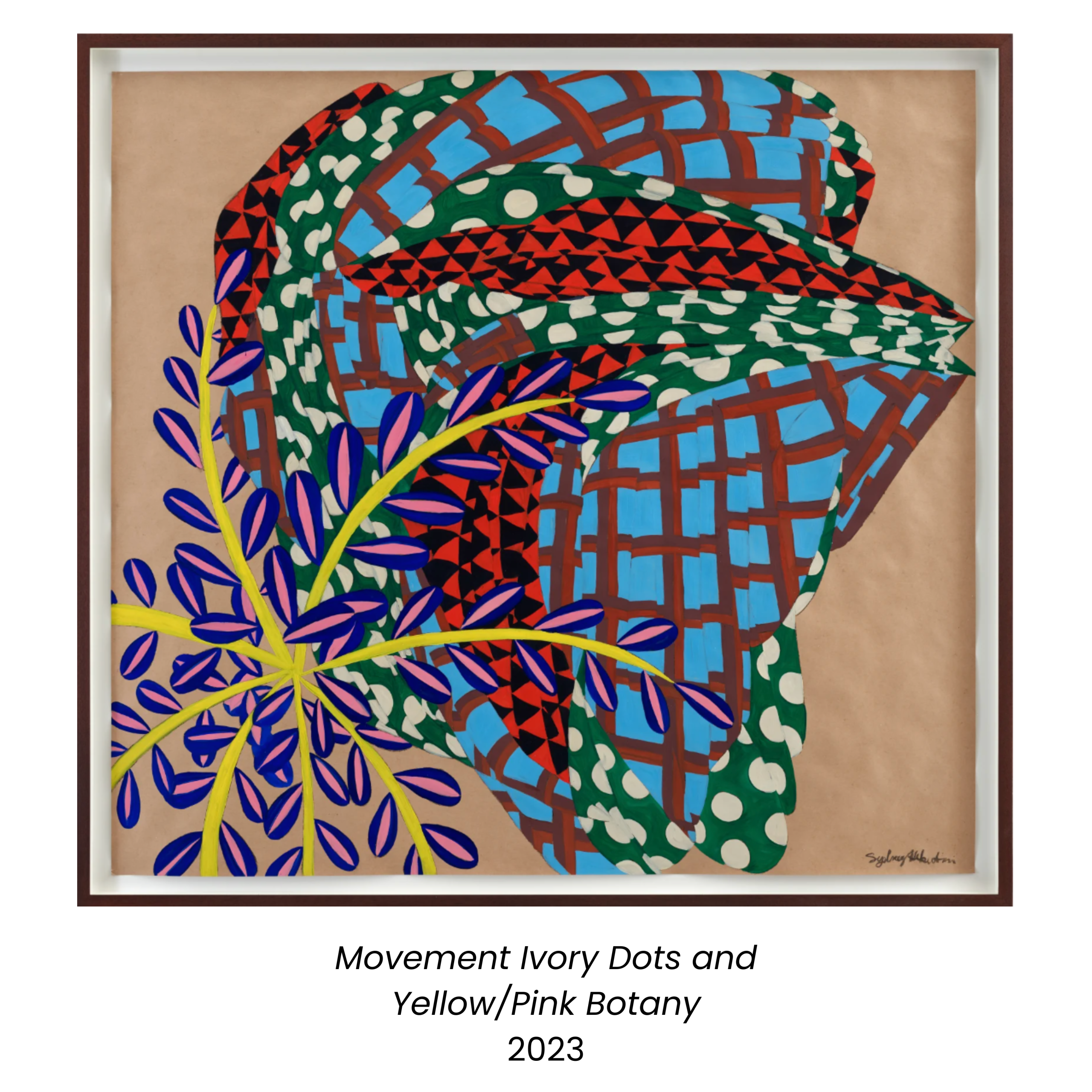
Sydney Albertini: Fabric-like Patterns and Layered Collages
Sydney Albertini is both a painter and a collage artist. Her pattern paintings often look like fabric tied in knots. Her painting “Movement, Knot Multi-Dots on Cream” uses repeated polka dots and lines to create patterns. She also makes layered collages from patterned paper. These collages use different colored pieces with interesting shapes, much like Xochi Solis’s work. Albertini often repeats tiny, overlapping lines to build her patterns.
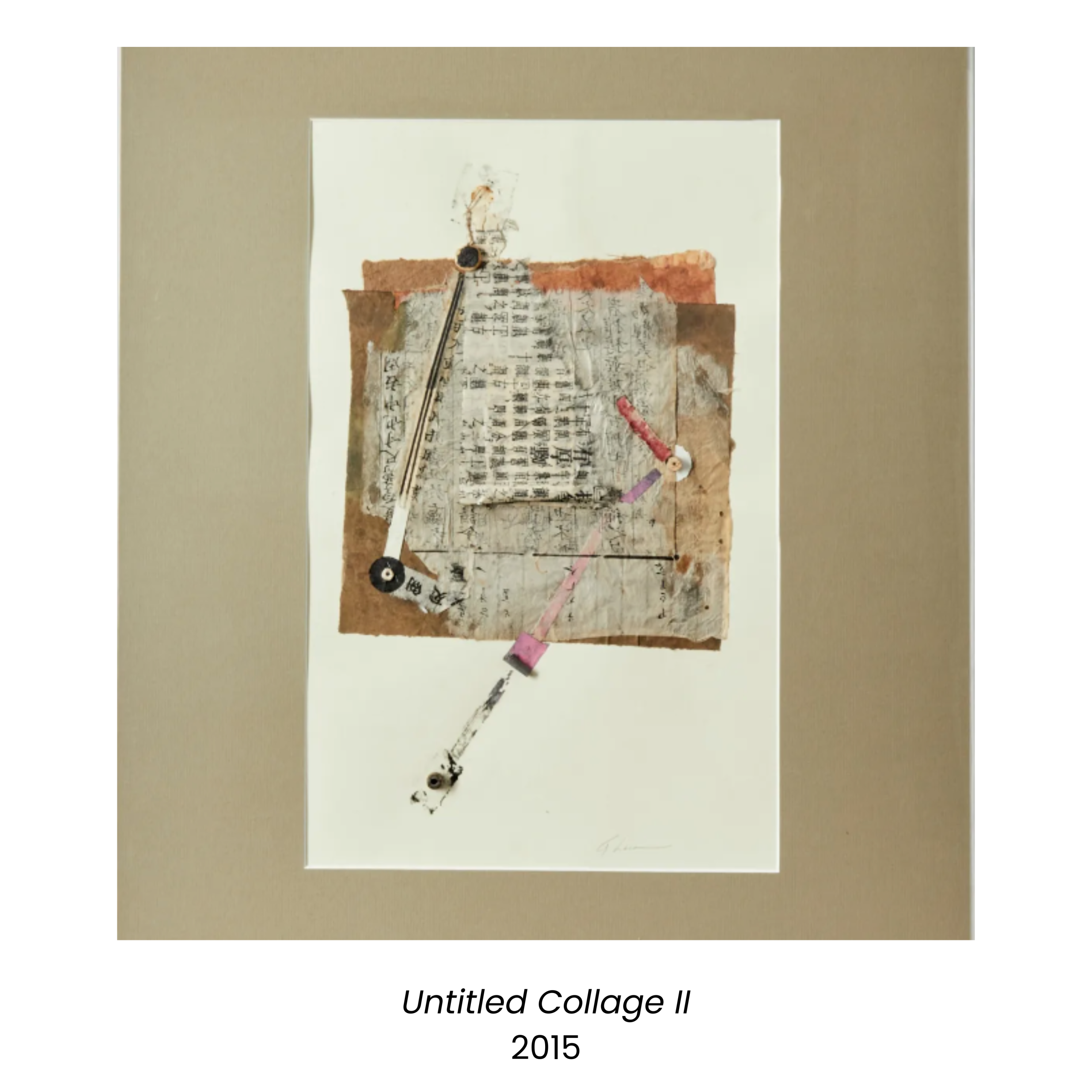
Armond Lara: Abstract Collages
Many artists use collage to express themselves. Armond Lara creates “Abstract Collages” that show how different pieces can come together to make a new image. You can see how each layer in a collage adds to the overall feeling and look, with parts of each layer peeking through.
Gather Your Art Supplies
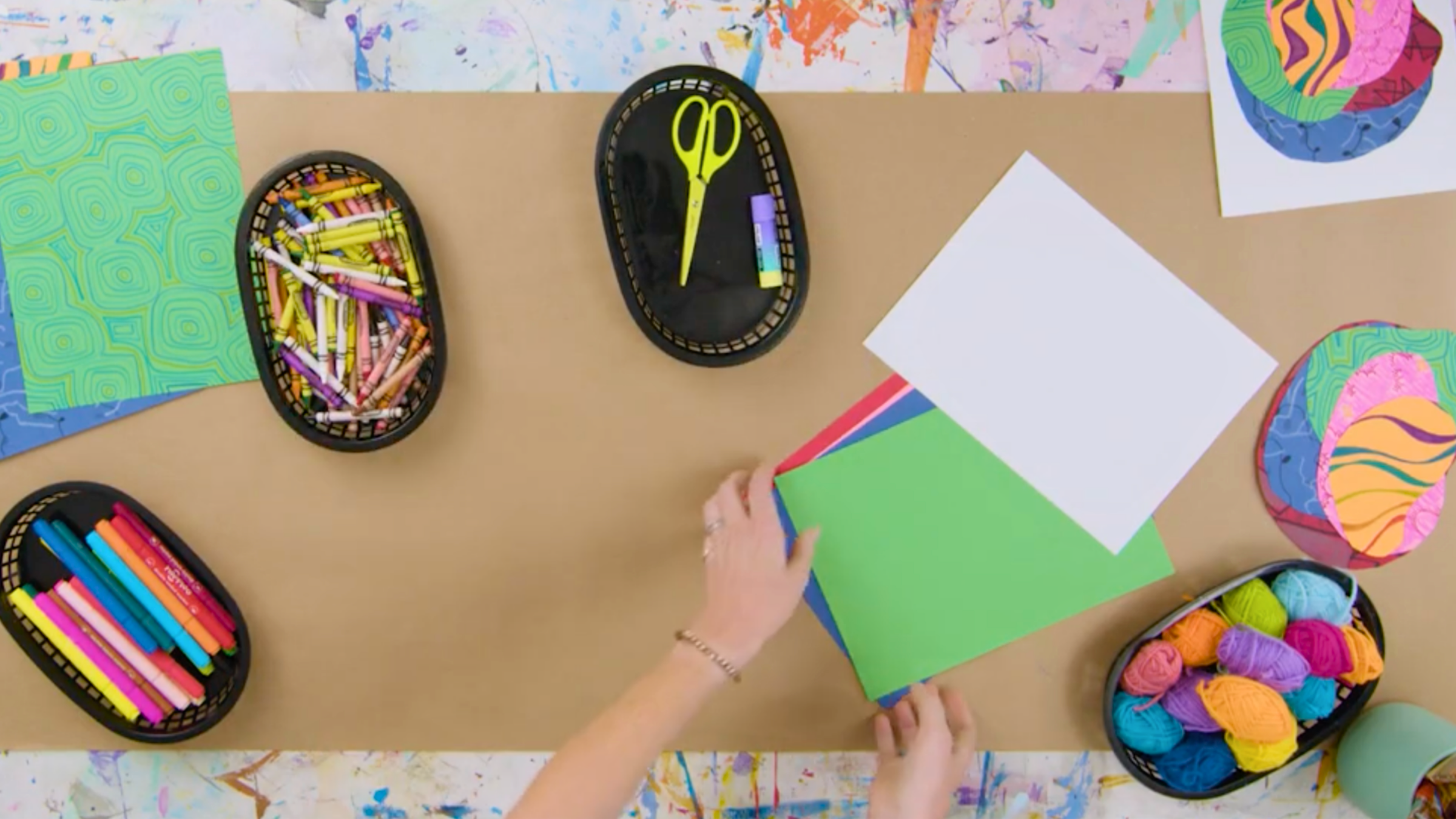
Before we start creating, make sure you have these simple art materials ready:
- Five pieces of colorful construction paper: These will represent your emotions.
- One piece of white paper: This will be your background.
- Markers: For drawing patterns.
- Crayons: For adding color and texture to your patterns.
- Scissors: For cutting your emotional shapes.
- Glue stick: For putting your collage together.
Step-by-Step: Creating Your Emotion Portrait
Now that you have your supplies and some inspiration, let’s create your unique emotion portrait.
Choose Your Colors, Choose Your Feelings
Artists often use color to show emotions. What colors come to mind when you think of different feelings? For example, red might make you think of anger, blue of sadness, or green of calm. You get to choose what each color means to you. Emotions are personal, so your choices are unique.
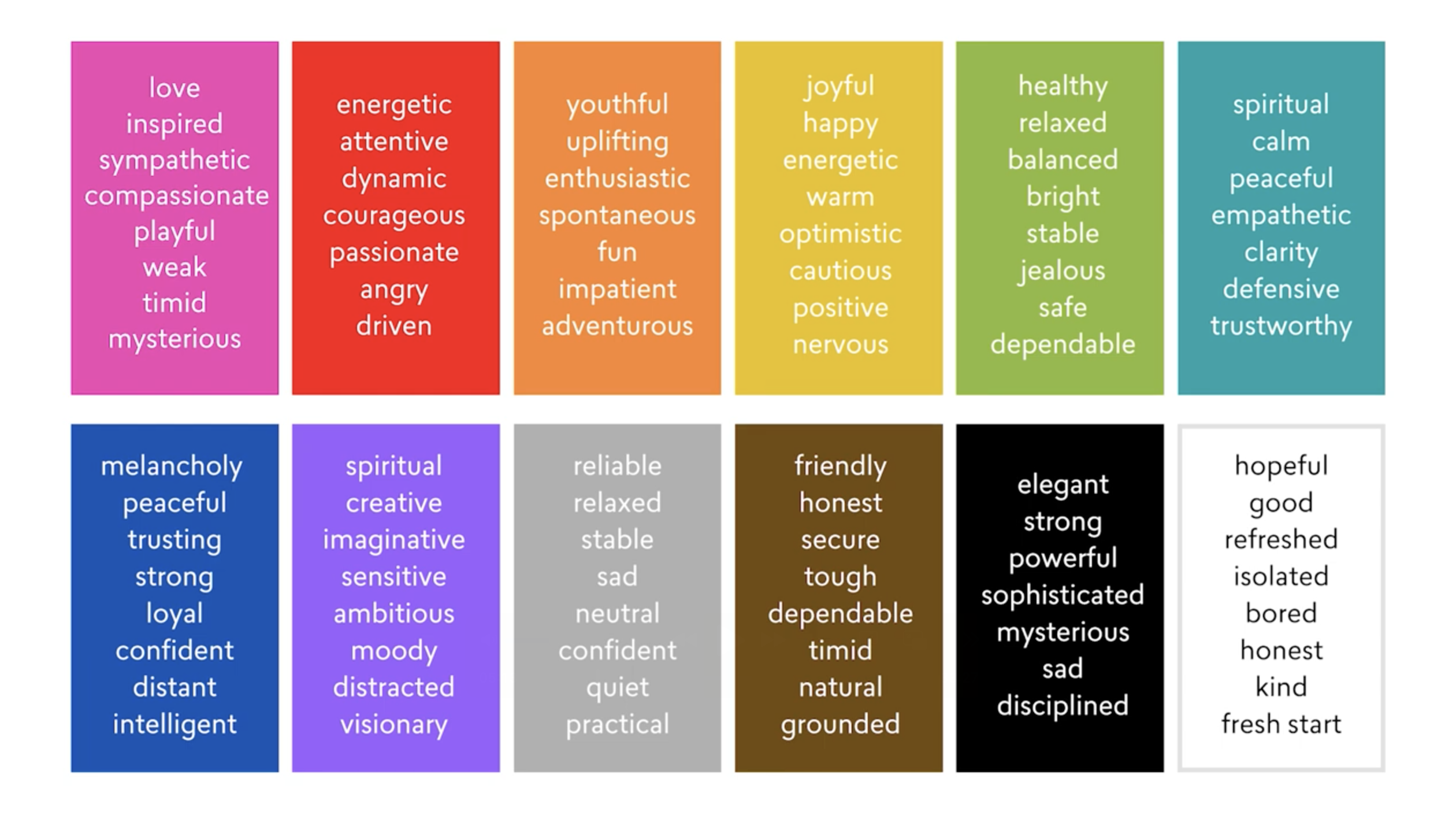
Here are some ideas for how colors can represent feelings, but remember, you can choose what feels right to you:
- Red: Anger, strong energy
- Orange: Creativity, excitement
- Pink: Love, kindness
- Blue: Sadness, peace
- Green: Calm, interested
Pick five colors of construction paper that match the five emotions you want to show in your artwork. It’s good to pick a mix of feelings, from happy to more complex ones.
Design Your Emotion Patterns
Next, you will fill each of your five colored papers with patterns that show your chosen emotion. A pattern is a mark that repeats over and over. Use your markers and crayons to draw patterns on each piece of paper. Think about how the emotion feels and what kind of marks, lines, or shapes can represent it.
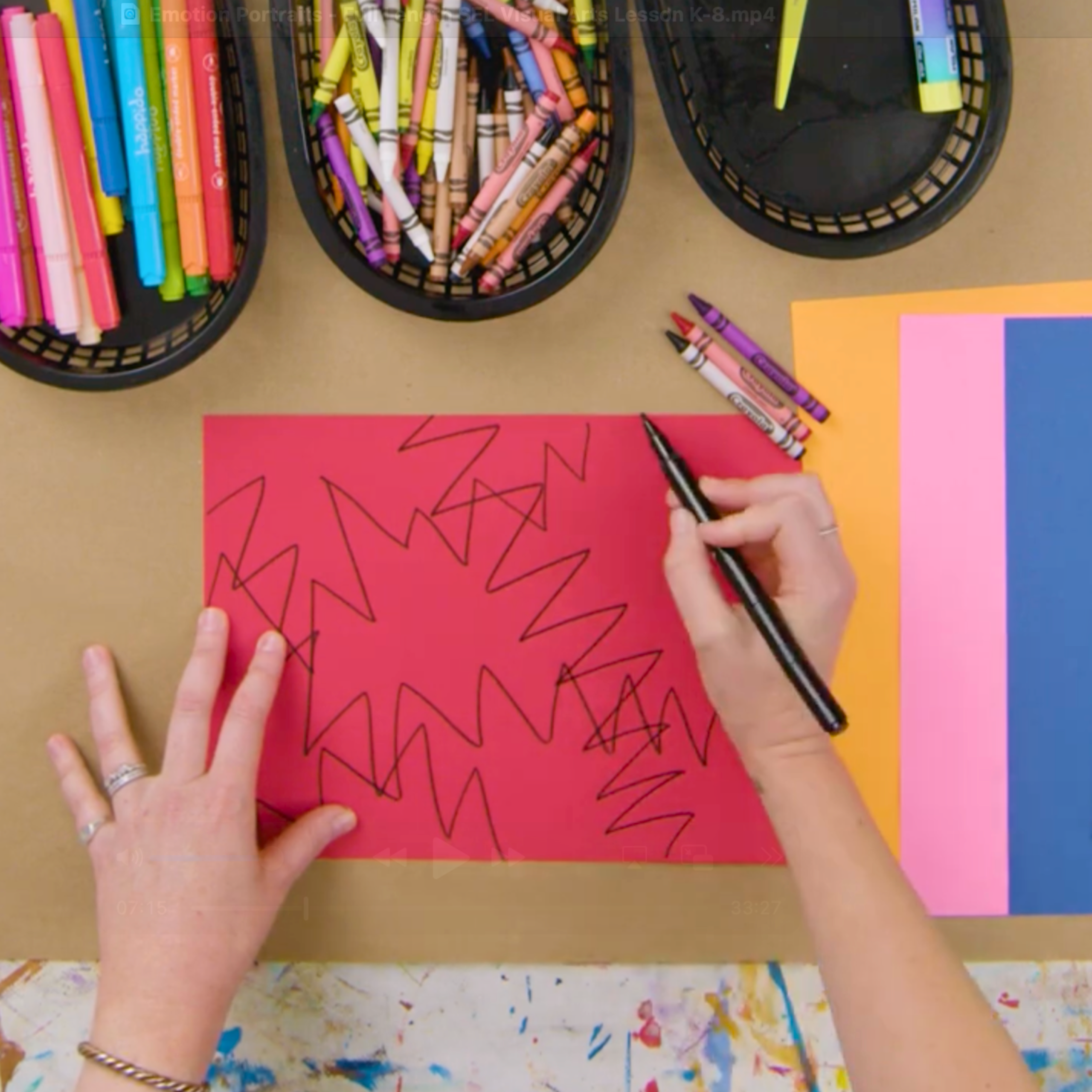
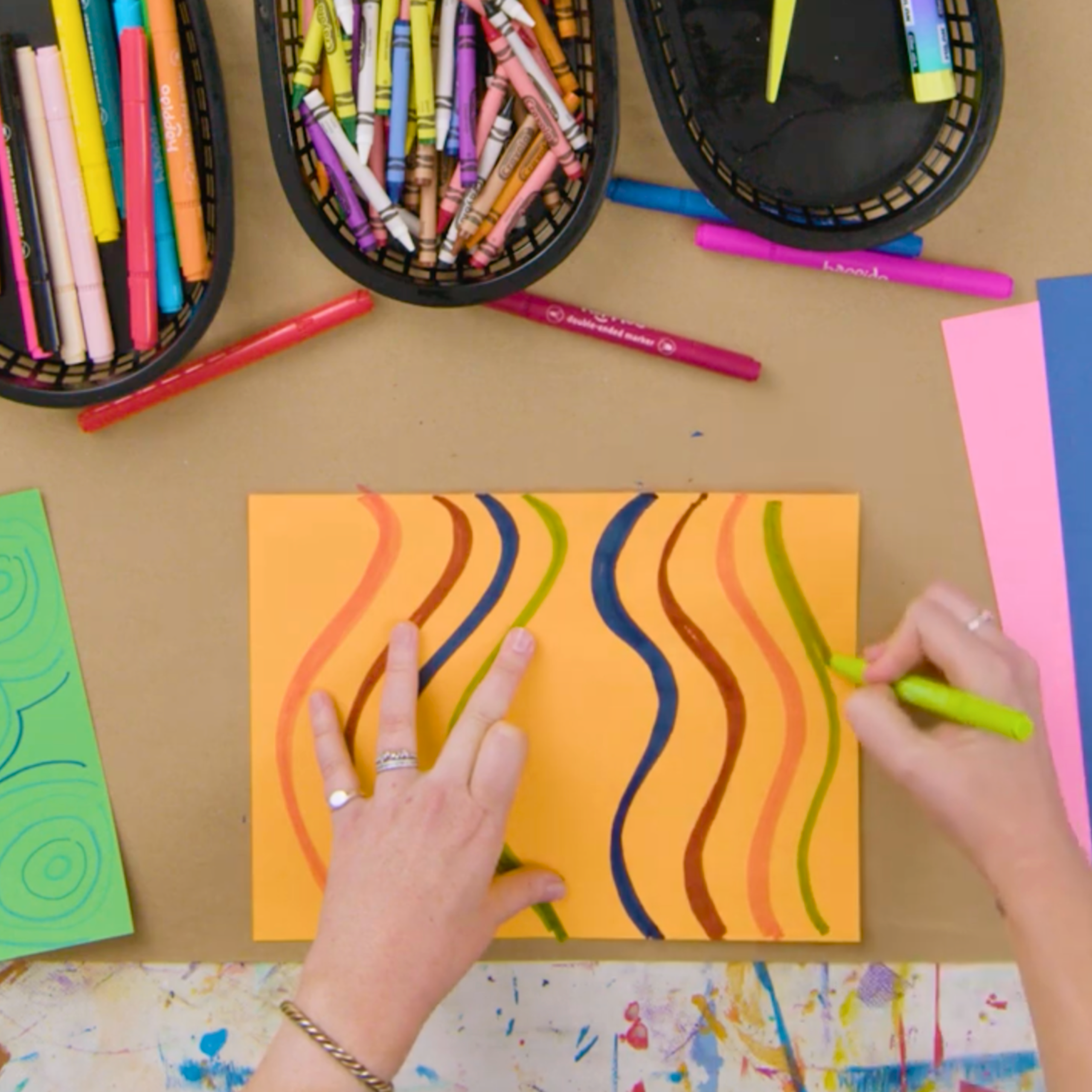
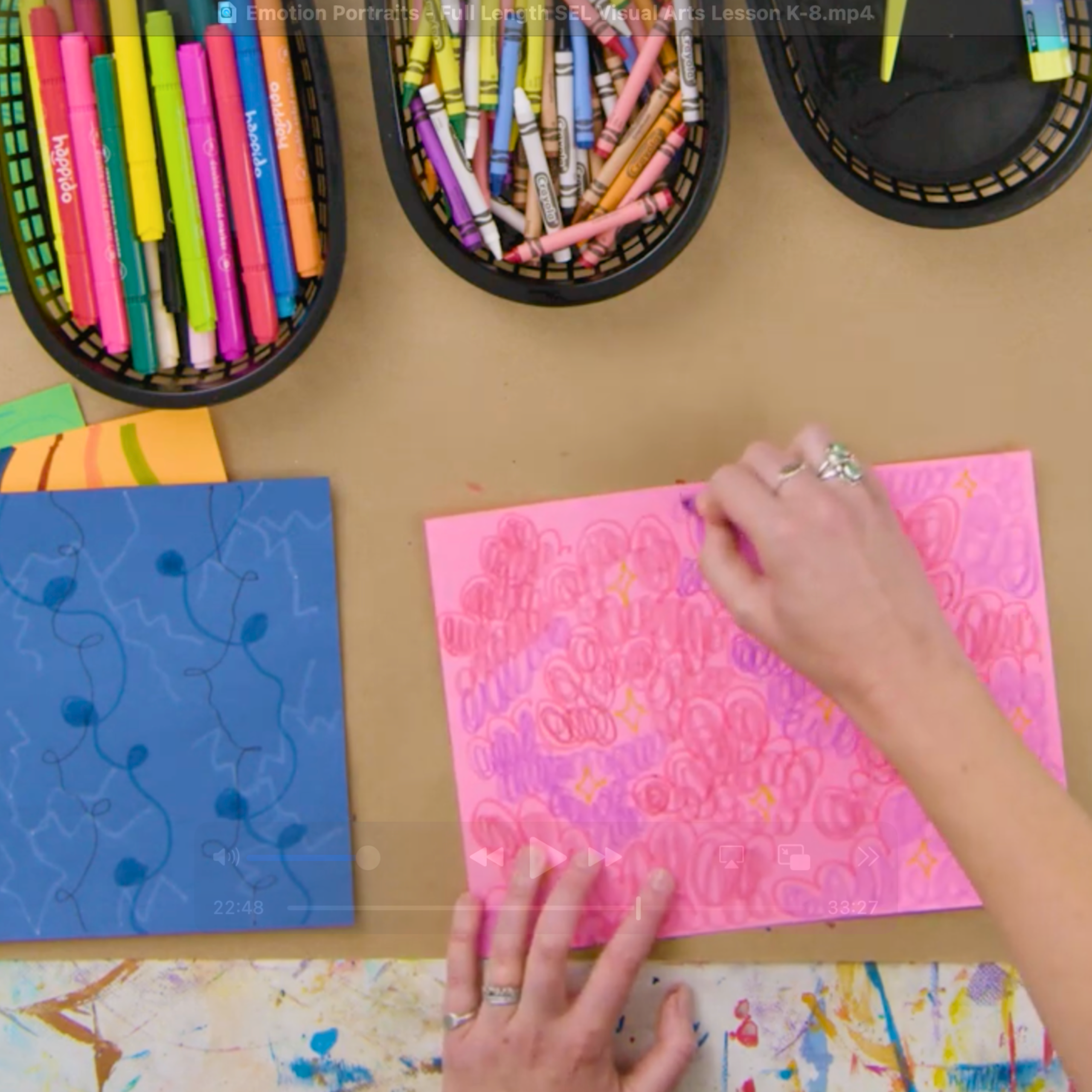
Here’s how to think about making your patterns:
- Anger (Red paper): Think of strong, scattered feelings. You might use jagged zigzag lines, scribbles, or sharp, broken shapes. You can color in parts with black, red, or purple crayons to add depth.
- Calm (Green paper): Think of peaceful, flowing feelings. You could draw repeating circles, like ripples in water, using blues and greens. These gentle, expanding patterns can show tranquility.
- Creativity (Orange paper): Think of many ideas and bright thoughts. Instead of drawing a paintbrush, you might repeat the mark a paintbrush makes. Use a rainbow of colors to create varied, energetic marks.
- Sadness (Blue paper): Think of tears or a cloudy, rainy day. You could draw vertical lines, like falling tear tracks, or subtle lightning bolt shapes. White or light-colored crayons will show up well on dark paper.
- Love (Pink paper): Think of light, happy feelings, like floating on a cloud. You might draw fluffy cloud shapes or little star bursts. Use reds and purples to color in parts, making it feel sparkly and fun.
Fill each paper completely with patterns. This gives you many interesting areas to choose from later when you cut them out. Don’t worry about being perfect; just let your feelings guide your hand.
Cut Out Your Emotional Shapes
Now it’s time to cut out the patterns you’ve created. This step turns your patterns into pieces for your collage.


- Arrange Your Emotions: First, decide the order you want your emotions to go in. You could start with challenging emotions and move to happier ones, or arrange them in any order that feels right to you. For example, sadness first, then anger, then calm, then love, and finally creativity on top.
- Cut Organic Blob Shapes: Start with the emotion you want on the bottom of your collage. This piece needs to be the biggest. Use your scissors to cut a large, organic (free-form, blob-like) shape from this patterned paper. You can draw the shape with a pencil first if you like, or just freehand it.
- Cut Smaller Shapes: For each next emotion, cut a slightly smaller organic shape. Make sure each shape is unique and that it will allow parts of the layers underneath to still show. Think about what parts of your pattern are most interesting as you cut. For example, your anger shape might have straighter, sharper lines, while your love shape might be cloud-like.
- Order Your Shapes: By the end, you will have five unique shapes, each a bit smaller than the last. The emotion you want on top will be the tiniest piece.
Build Your Layered Collage
Finally, you will glue all your emotional pieces onto your white background paper to create your layered portrait.
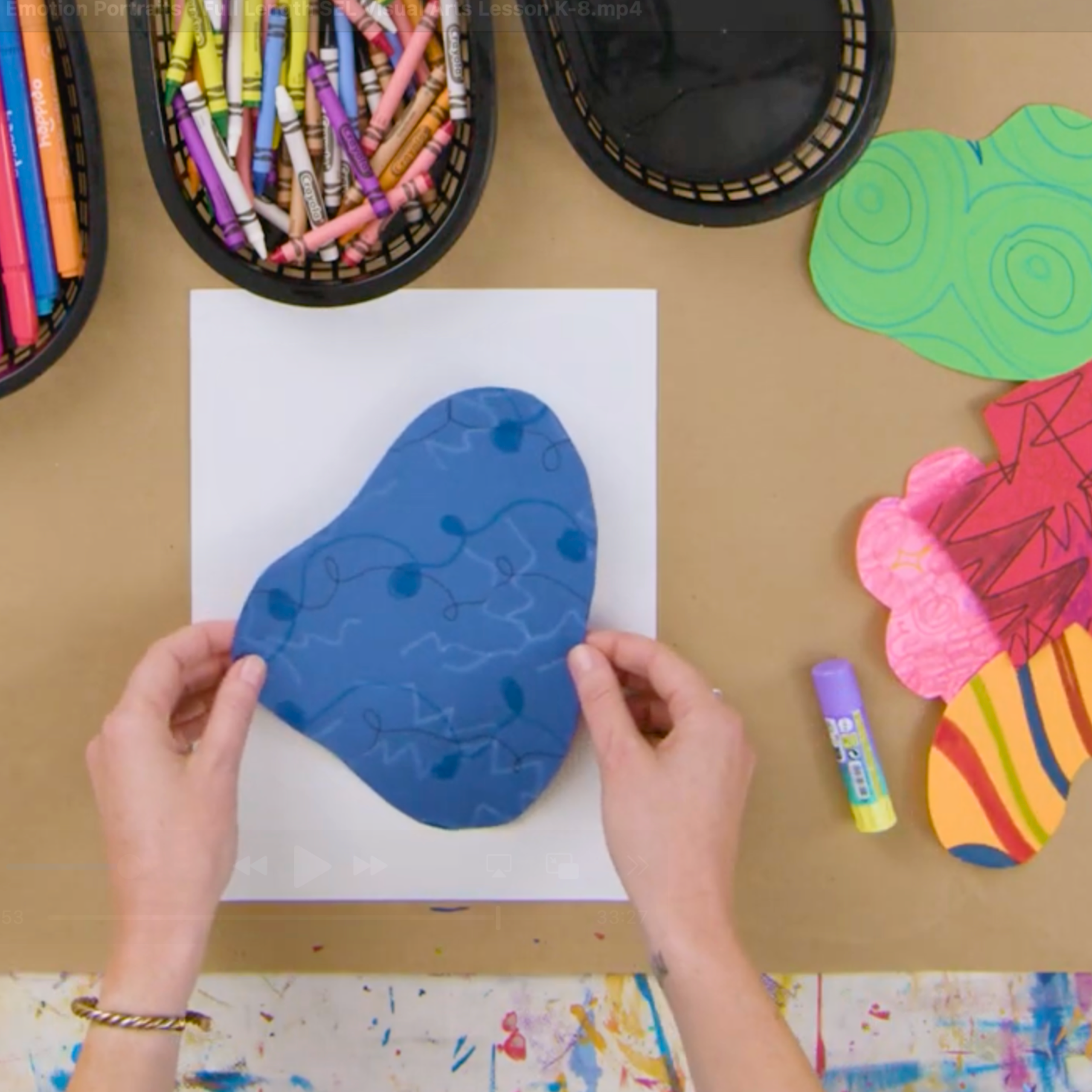
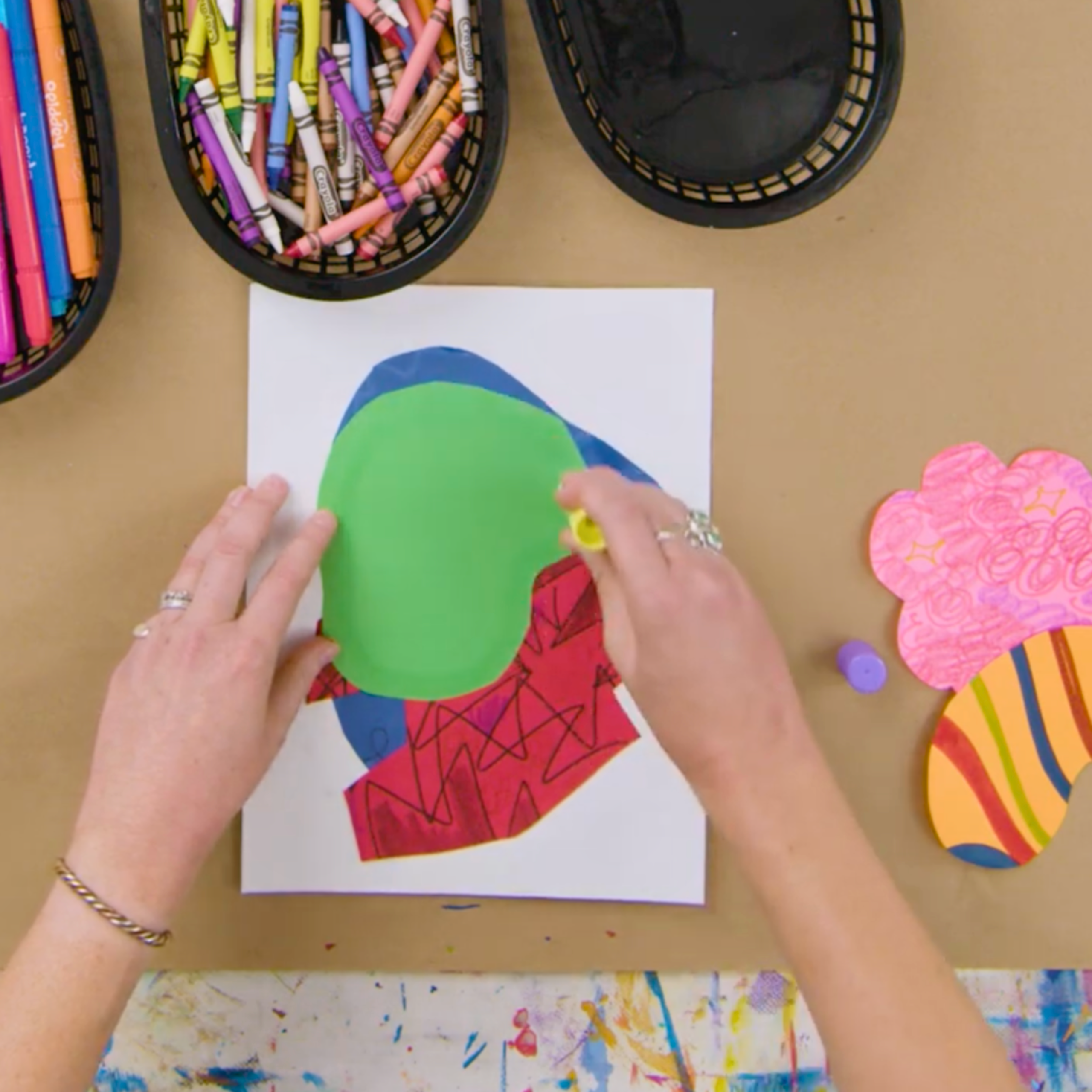
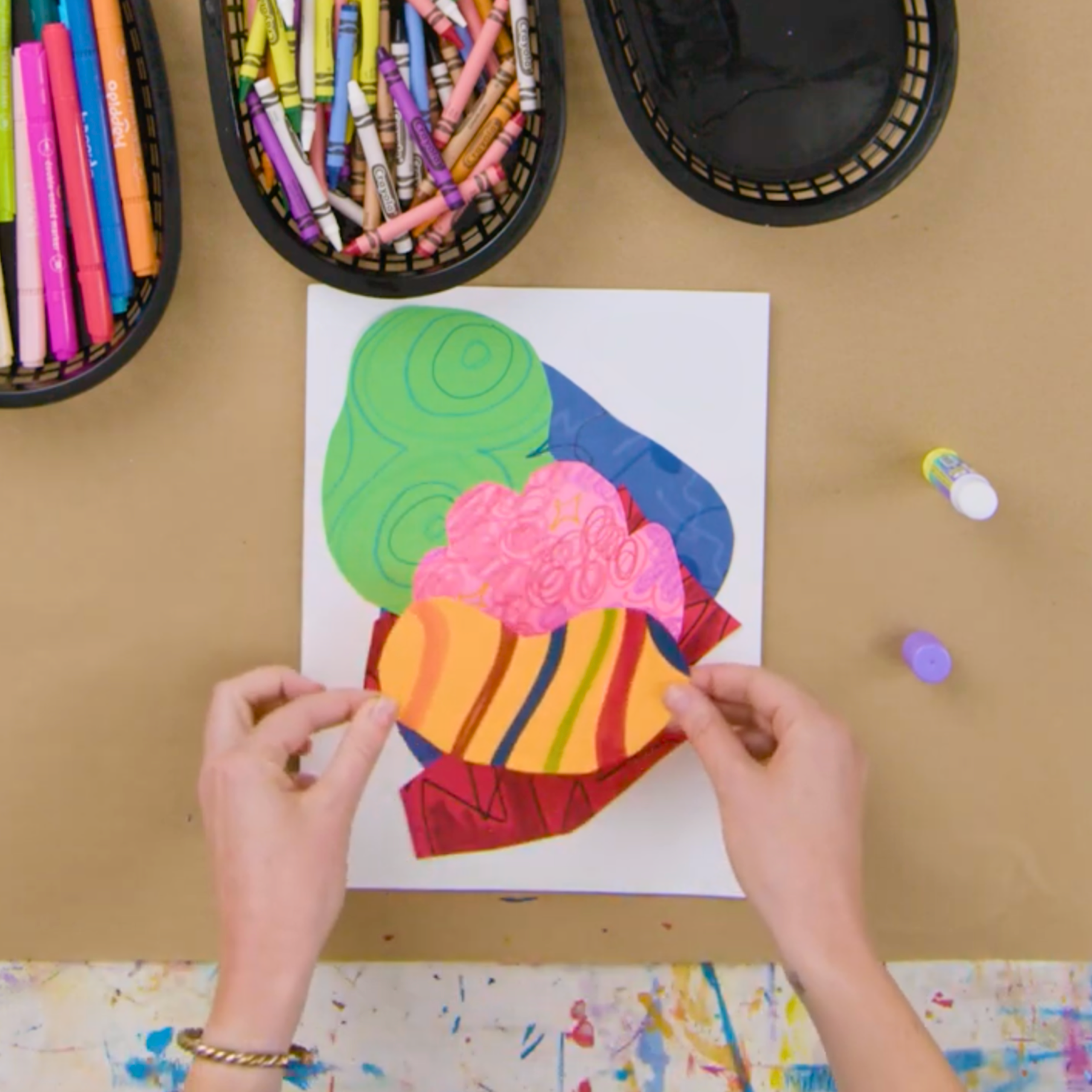
- Place the Biggest Shape First: Take your biggest patterned shape (your bottom-most emotion). Place it on your white background paper. Move it around to see where it looks best. You want it to be framed nicely on the paper, not sticking off the edges.
- Glue It Down: Flip the shape over. Use your glue stick to trace the outline of the shape, then add a little glue in the middle. Place it back on your white paper and smooth it down with your hands to make sure it sticks well.
- Add the Next Layers: Take your next largest shape. Before gluing, place it on top of your first glued shape. Make sure you can still see a good amount of the bottom layer. You want to see a bit of every emotion. Artists like Xochi Solis show depth by letting all layers peek through. Once you like the placement, glue it down the same way.
- Continue Layering: Repeat this process for all five of your shapes, always going from largest to smallest. Try out different spots before you glue; once it’s glued, you can’t easily change it! By the end, you’ll have a layered collage that shows all your different feelings intertwined.
Your Emotional Masterpiece
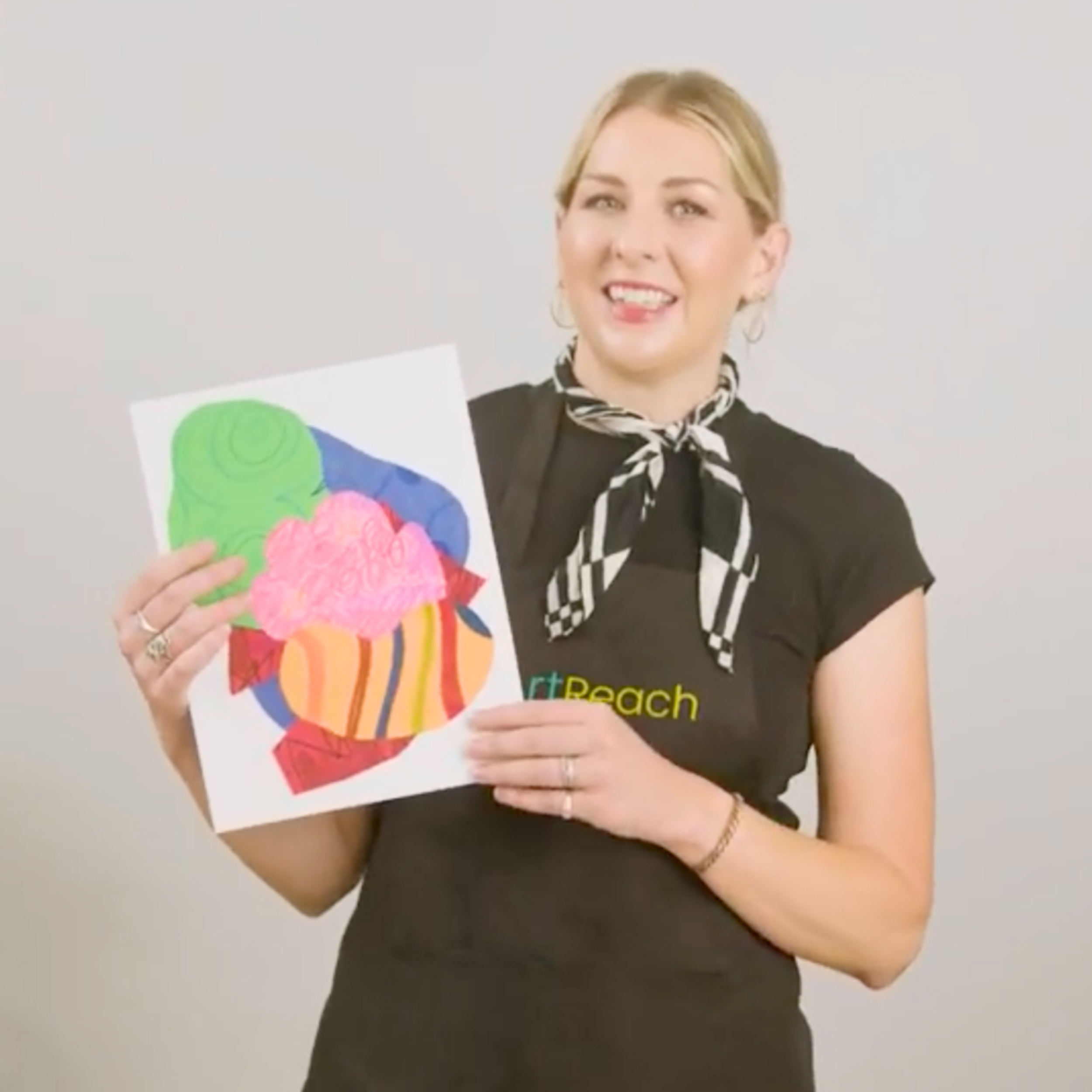
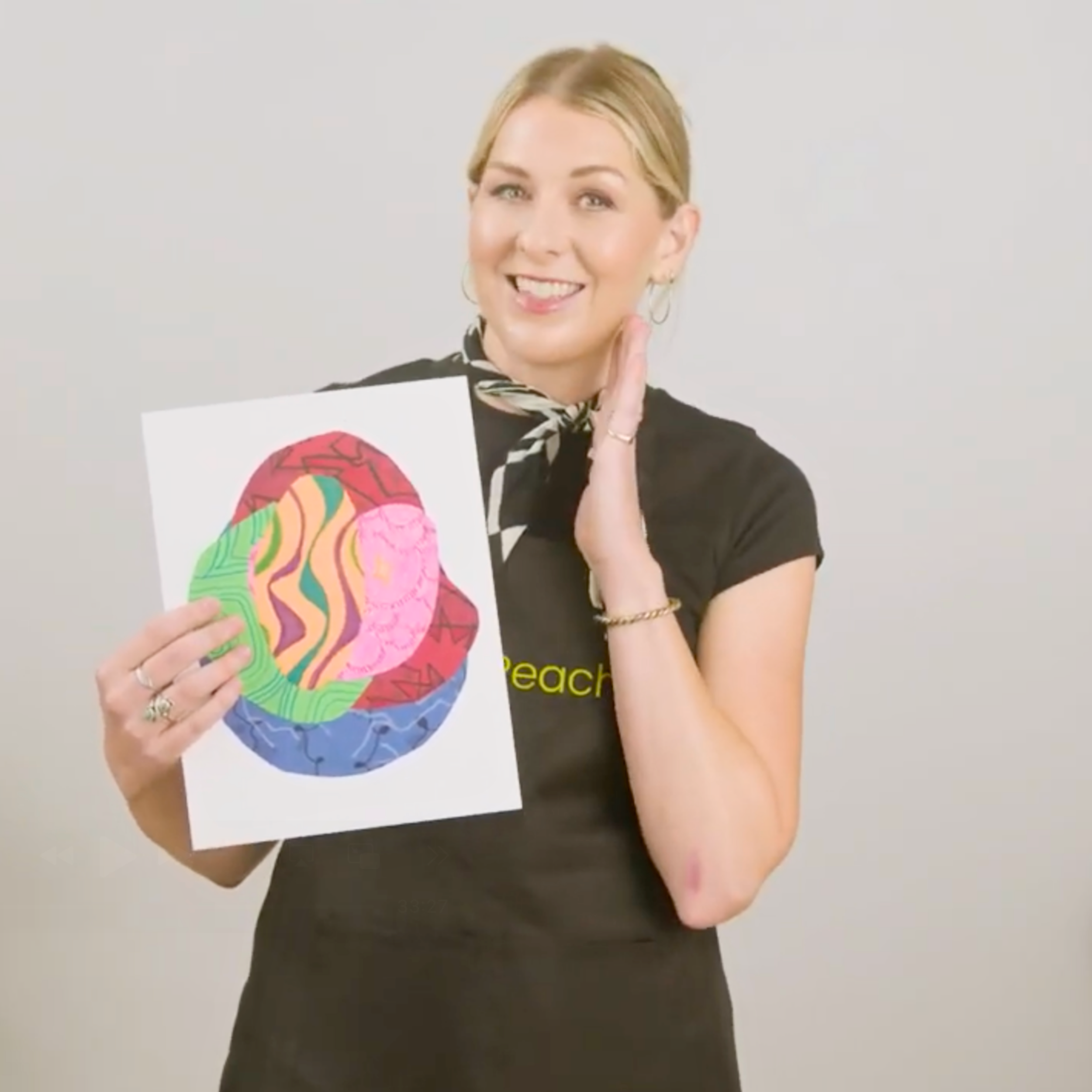
You have now created a powerful emotion portrait! This artwork is a unique reflection of your inner self and your feelings. Take a moment to look at your finished piece. How do the colors, patterns, and layers come together to tell your emotional story?
We hope this project inspires you to keep using art to explore your feelings. Art is a wonderful tool for self-discovery and connection. If you’d like to dive deeper into art education resources for this project, you can find additional project resources here.
We would love to see your amazing artwork! Share your creations on social media by tagging us at @ArtreachSD. We look forward to seeing what you make!
You May Also Like: